Entering a live dealer blackjack studio can be overwhelming when chat fills with shorthand and dealers declare actions in casino jargon https://rockysspin.com/. Comprehending this vocabulary impacts decision speed and confidence. This guide dissects essential live blackjack terms, transcending definitions to explain how they interact with strategy, the software interface, and specific features at platforms like Rockyspin Casino. Commanding the language changes passive viewing into active, strategic play.
Fundamental Table Actions and Player Decisions
Every hand hinges on key decisions that govern game flow and change the house edge. The live dealer environment adds time pressure, making rapid term recognition critical. Misinterpreting a single action can lead to a misclick that ruins a strong hand or loses a double opportunity. The interface shows clearly labelled buttons, but the dealer’s verbal announcements and rapid pace force players to absorb each command before the betting window closes.
- Hit – ask for an additional card.
- Stand – refuse further cards.
- Double Down – increase twofold the bet for one more card.
- Split – divide a pair into two hands.
- Surrender – give up half the bet to quit the hand.
Hitting, Stand, and the Flow of Play
A ‘hit’ directs the dealer to provide an additional card. Players aim to boost their total towards 21 without busting. ‘Stand’ shows satisfaction and no further cards. Standing on a hard 17 against a dealer’s 10 is a classic defensive play. In live streams, once the dealer acknowledges a stand, the action is final and irreversible, unlike demo games with undo functions. The dealer physically goes to the next hand, reinforcing the gravity of each decision.

Doubling and Splitting
Doubling down lets a player to increase twofold the original wager but commits them to stand after exactly one extra card. This move is most profitable with 11 against a dealer’s weak upcard, since a ten-value card is likely. Splitting becomes available when the first two cards form a pair. The player splits them into two independent hands, each with a wager equal to the original. A crucial rule variation: many live tables enable only one card per split ace, which reduces the move’s expected value.
Surrender Options in Live Formats
Surrender is a defensive option enabling a player to concede the hand and get back half the initial bet. The decision must be made before any other action. Late surrender, the most common live version, happens after the dealer checks for blackjack. Players utilise it against a dealer’s ace or ten-value card when having a hard 15 or 16, as the long-term loss is lower than playing out the hand. Not every table provides this rule; its presence is a key RTP indicator.
Dealer Rules and Table Protocols
The live dealer executes a strict mechanical script that introduces its own set of terms. These words outline the dealer’s hand and the mandatory actions dictated by house rules. Unlike player decisions, dealer procedures are automated rules that trigger specific outcomes. Watching these protocols helps players anticipate the game’s flow and comprehend bet resolutions. The transparent studio setting, with cards drawn en.wikipedia.org in full view, offers physical context to these procedural terms.
The Hidden Card and the Peck Method
The ‘hole card’ is the dealer’s face-down card placed alongside the visible upcard. In American-style live blackjack, the dealer ‘pecks’ at the hole card when the upcard is an Ace or ten-value card. This peck procedure places the card’s corner into an optical scanner built into the table. If the scanner detects a natural blackjack, the round ends instantly, preventing players from wasting additional money on doubles or splits. The technology removes ambiguity and maintains integrity.
Hard Hands Versus Soft Hands
A ‘hard’ hand holds no Ace, or an Ace that can only count as 1 without busting. A hand of 10-7 is a hard 17. A ‘soft’ hand holds an Ace counted as 11, such as Ace-6, a soft 17. This distinction is fundamental because hitting a soft hand involves zero risk of busting on the next draw. Many live dealers must hit on soft 17, a rule variant that slightly raises the house edge compared to standing on all 17s. Players should verify the table rules displayed in the lobby.
Push and Blackjack Resolution
A ‘push’ occurs when player and dealer finish with the same total; the original wager is given back without profit. A ‘natural blackjack’ is an opening two-card hand of exactly 21, an Ace paired with a ten-value card. Player naturals typically award 3:2, meaning a 100-unit bet yields 150 units profit. Some tables, however, present a less favourable 6:5 payout. If both player and dealer hold a natural, the hand results in a push, not a win—a common point of confusion for newcomers.
Software Interface and Real-Time Studio Features
The on-screen interface on a video feed merges table jargon with digital features. These elements replicate the data a user would have in a physical casino while adding online advantages. The live chat, past results, and multiple camera angles are not simple novelties; they provide practical insights. Analyzing roadmaps and on-screen statistics can guide betting decisions, even though every deal remains an independent random event.
Outcome Displays and Instant Data
Many streaming blackjack systems include ‘roadmaps,’ pictorial charts of recent outcomes. The Result Grid shows a sequential grid of findings, often tracking victories, defeats, ties, and 21s. These figures display the rate of hands won by the house versus the participant over a set number of rounds. While each hand is independent, these aids meet the innate need for pattern recognition and help players assess the current game fluctuation at a look.
Action Timer and Default Stand Settings
The action timer is the timing display displayed on screen, generally between 10 and 15 seconds. If a player fails to act, the program triggers a preset move. Most commonly, the system defaults to standing on a hard total of 12 and above and hits on 11 and below. Some systems allow players to set an auto-stand threshold, such as staying on any 17 or above. This function prevents running out of time on straightforward plays but requires meticulous configuration to prevent missing lucrative double-down situations.
Pre-Decision and Side Wagering Options
Early move allows a participant to confirm an move before their opportunity, accelerating the play. A participant can click ‘stand’ while the croupier is finishing another spot. Bet Behind lets a participant to bet on the cards of another participant when spots are taken. The wagering user has zero influence over actions; they just mirror the active participant’s result. This spectator approach depends completely on the main player’s strategy and is purely a gambling game.
Supplementary Bets and Extra Betting Conditions
Contemporary live blackjack studios regularly integrate optional side bets that settle independently of the main hand. These wagers bring in vocabulary linked to poker-style combinations or luck-based predictions. While they have a higher house edge than the core game, their visual appeal and large multipliers turn them into a prominent lobby feature. Knowing the specific trigger conditions avoids confusion when a balance changes unexpectedly, even if the main hand outcome seems unrelated.
- Perfect Pairs – pays out when the first two cards form a specific pair type (Perfect, Colored, Mixed).
- 21+3 – combines the player’s first two cards and the dealer’s upcard to form a three-card poker hand.
- Insurance – a side bet presented when the dealer shows an Ace, paying 2:1 if the dealer has blackjack.
Mechanics of Perfect Pairs and 21+3
Perfect Pairs compensates the player’s first two cards. A Perfect Pair requires identical rank and suit, paying 25:1; a Colored Pair shares rank and colour but different suits; a Mixed Pair shares only rank. 21+3 merges the player’s initial cards with the dealer’s upcard to create a three-card poker hand. Winning combinations feature Flush, Straight, Three of a Kind, and Suited Trips. These bets resolve instantly after the initial deal, regardless of the main hand’s outcome.
Insurance and Even Money Dynamics
Insurance is presented exclusively when the dealer’s upcard is an Ace. The player bets half the original bet that the dealer has a ten-value hole card. If the dealer has blackjack, insurance pays 2:1, yielding a break-even result. ‘Even money’ is available when a player holds a natural blackjack against a dealer Ace. Accepting even money is mathematically identical to taking insurance, securing a 1:1 profit instead of risking a push. Basic strategy recommends declining both unless counting cards.
Bankroll management Wagering Structure Terminology
Effective bankroll management in live blackjack depends on understanding the unit structure of the table. Concepts related to betting limits and progression are displayed prominently in the lobby, yet their practical implications are often ignored. The gap between minimum and maximum bet dictates the flexibility a player has to adjust strategy after wins or losses. A narrow spread limits progressive systems, while a wide spread allows for aggressive doubling and splitting sequences without hitting the table ceiling.
Level Staking and Betting Progression Systems
Flat betting involves wagering the same fixed amount on every hand. This conservative approach minimises variance but removes the chance to exploit winning streaks. Progressive systems modify bet size based on previous outcomes. A positive progression increases the wager after a win, aiming to capitalise on momentum. A negative progression, like the Martingale, multiplies the bet after a loss. Live tables enforce strict maximum limits to neutralise negative progressions, as a long losing streak could exhaust a bankroll before the recovery bet is allowed.
Table Stakes and Betting Choice
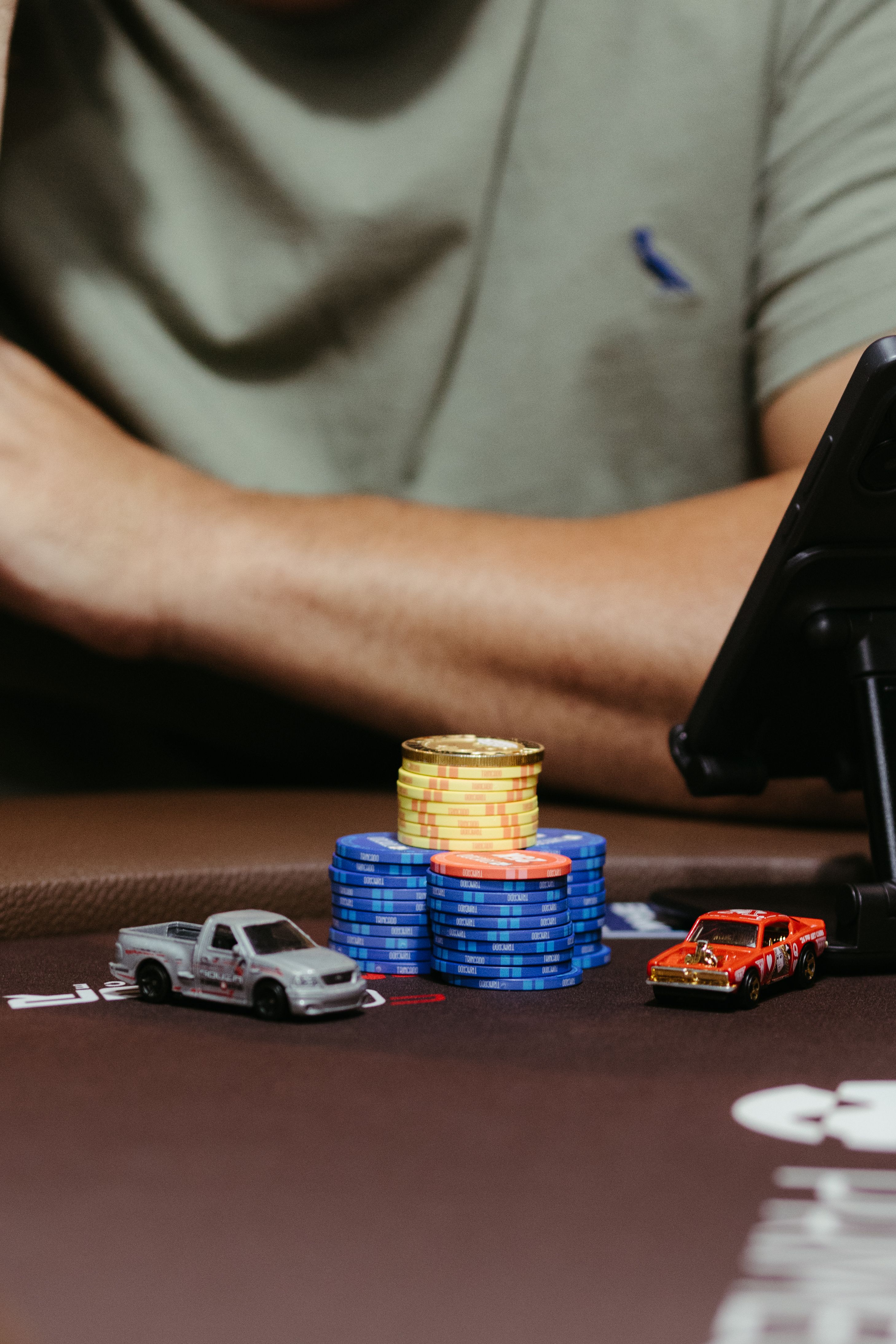
The table limit specifies the minimum and maximum wager at a specific seat. Minimums at Rockyspin Casino serve a wide range, from accessible stakes to VIP high-roller studios. The maximum bet is especially relevant when splitting pairs multiple times, as a single hand can escalate to eight times the original wager. Selecting a table where the maximum comfortably accommodates the intended betting spread is a prerequisite for executing a full basic strategy without restriction.
Game Variations and Rule-Based Language
Not all live blackjack tables operate under the same rule set. The variant name listed in the lobby indicates a distinct set of conditions that affect strategy. Spotting these labels prevents a player from using standard multi-deck strategy to a single-deck game or vice versa. Differences often include the number of decks, dealing procedure, and special payout rules. At a comprehensive platform like Rockyspin Casino, the lobby organises these variants clearly, but grasping the terminology guarantees a player chooses the game corresponding to their chosen volatility and house edge tolerance.
Endless Blackjack and Endless Seats
Infinite Blackjack removes the problem of crowded tables by utilising a common pool of cards dealt to an unlimited number of concurrent players. Each player makes independent decisions, while the dealer’s hand is the same for everyone. This format often includes unique side bets like the ‘Six Card Charlie’ rule, where a hand of six cards amounting to 21 or less automatically wins. The infinite model ensures a seat is always available, removing waiting times entirely.
Fast Blackjack and Quick Dealing
Speed Blackjack changes the dealing order to reduce dead time. The dealer gives the initial two cards to all players simultaneously, and the quickest decision-maker acts first, not the player in a specific seat order. This ‘first to act’ mechanic dramatically boosts hands per hour. The accelerated pace calls for instant recall of basic strategy, as the reduced decision time leaves little room for referring to a reference chart between hands.
Free Bet Blackjack and Rule Modifications
Free Bet Blackjack introduces a promotional twist where the house funds certain doubles and splits. Hard 9, 10, or 11 doubles are free, as are splits on all pairs except ten-value cards. The trade-off is a rule change: the dealer pushes on a total of 22 instead of busting, unless the player has a natural blackjack. This push-22 rule retrieves the house edge lost to free bets. Players drawn to aggressive doubling without personal risk should know how the push-22 scenario changes standard outcome expectations.
Incorporating Terminology into a Live Session at Rockyspin Casino
The live casino lobby at Rockyspin Casino renders these terms to life through high-definition streams and a user-oriented design. Each game tile presents the specific rule set, minimum bet, and active players, enabling informed choices based on the vocabulary now mastered. The platform encourages quick decisions with clear tap targets, and the dealers articulate every action—announcing insurance open or card for the split hand—reinforcing the terminology in real time. Deposit methods are instant, and the site’s licensing ensures rigorous fair-play audits of the live studio equipment.
Mastering live blackjack terminology converts a spectator into a strategic participant. The terms outlined make up the foundation of every hand, from initial wager to final resolution. The live environment at Rockyspin Casino rewards this knowledge, presenting rules transparently and enabling application across diverse table limits. full details here The next step is practical: enter the lobby, select a table where the displayed rules align with your preferred style, and put the vocabulary to use with genuine confidence.